
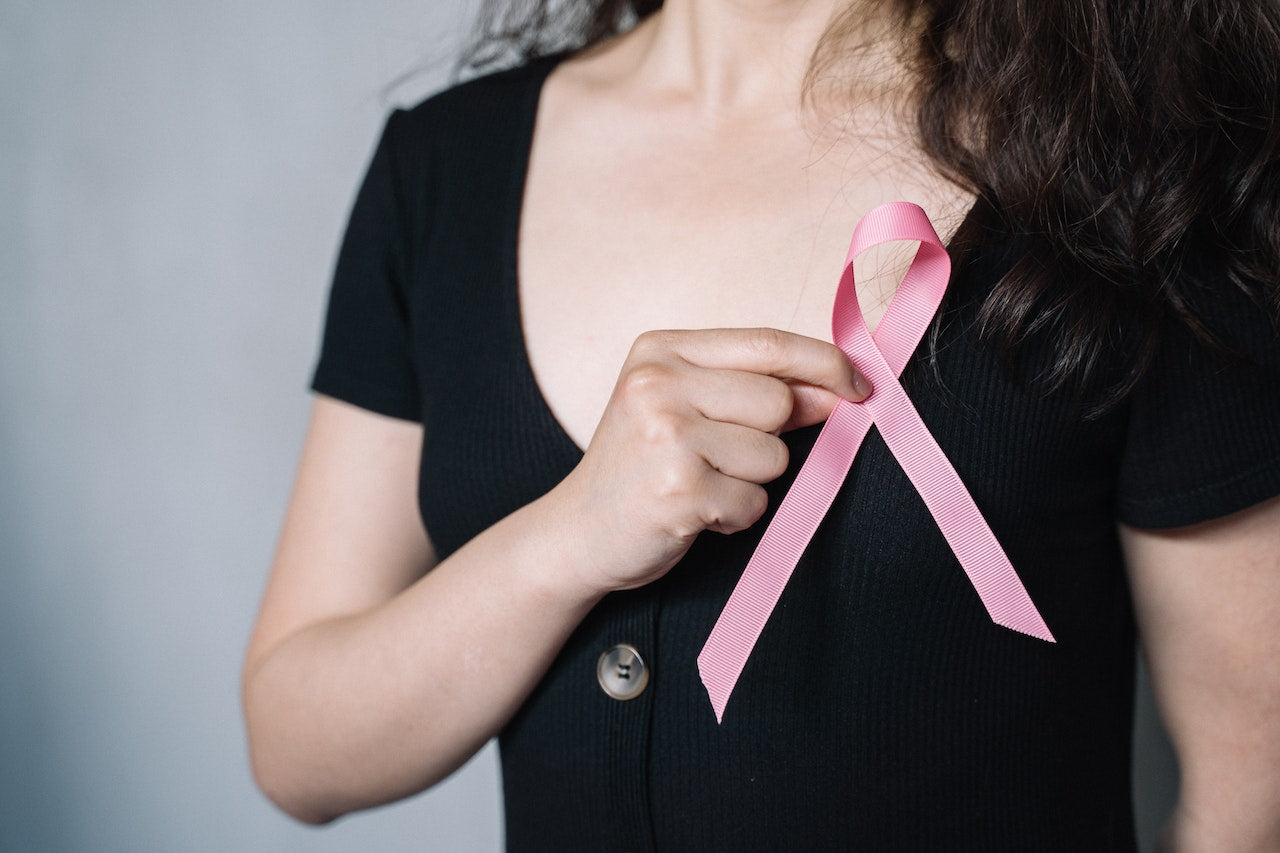
Young Women Who Eat This Greatly Reduce Their Risk Of Breast Cancer
Because breast cancer is one of the leading and most damaging kinds of cancer in the nation, I wanted to tell you about a remarkable study done by Harvard University.
This study suggests eating a certain nutrient type (with great frequency and regularity) will help significantly reduce your chances of developing breast cancer.
That nutrient?
Fiber.
If you've been following along with what I write, you know I like to push fiber on my patients (and people who aren't my patients).
The reason why is obvious:
I own a significant stake in the world's largest fiber company...
No, that's not it. It's because fiber's great at helping to maintain optimal health; excitingly, it's also been shown to reduce the risk of breast cancer.
In an attempt to find out how fiber consumption works to affect health, researchers from Harvard analyzed 90,000 questionnaires from a large women's study called the Nurses' Health Study II.
Publishing their findings in Pediatrics, they noted women who ate high amounts of fiber (especially fiber from fruit and vegetables) had a significantly lower chance of developing breast cancer.
Lead researcher and study author Maryam Farvid said, "Previous studies of fiber intake and breast cancer have almost all been non-significant, and none of them examined diet during adolescence or early adulthood, a period when breast cancer risk factors appear to be particularly important...
This work on the role of nutrition in early life, and breast cancer incidence suggests one of the very few potentially modifiable risk factors for pre-menopausal breast cancer."
What Farvid and her colleagues found is remarkable.
If a woman ate a high amount of fiber, they could see a 12-19% reduction in risk of cancer development.
Teenagers and adolescents who ate high amounts of fiber had a 16% reduced risk of getting breast cancer in their life, and a 24% reduced risk of developing it before menopause.
Best of all, it didn't take tons and tons of added fiber into their diet to produce these effects.
The fiber from two apples a day (or high-fiber breads) is all you really need. The researchers said as little as 10 grams more fiber in the average woman's diet would be enough to produce this effect.
So what is it that drives the risk down?
They believe it has something to do with how fiber reduces estrogen in the blood (which is a suspected culprit in breast cancer formation).
Researchers said:
"From many other studies we know that breast tissue is particularly influenced by carcinogens and anti-carcinogens during childhood and adolescence....We now have evidence that what we feed our children during this period of life is also an important factor in future cancer risk."
So what does that mean for you?
It means you need to eat more fiber, and that you should do everything you can to promote proper fiber digestion.
Excess fiber's good for the body, but can present some problems with digestion.
Talk soon,
Dr. Wiggy
www.HealthAsItOughtToBe.com
Related Posts

Bumpy Red Fruit Could Help With Heart Health?
When you head to the grocery store, you probably aren’t accustomed to buying pomegranates off the store shelf.Even though these bumpy red fruits are all over grocery stores in the U.S., most people are more familiar with the juice than t...
Read More
Is RFK Right To Correct This Government Guideline?
Any time I write about the government, or about government officials, I’m bound to ruffle a few feathers.So, chances are, if you read this, you’re going to be one of those people who think I need to stay in my lane.
That’s not really wha...
Read More
Another Good Reason to Tame Sugary Drink Consumption
Sugary drinks are everywhere. There doesn’t seem to be any decline in their popularity, either. Yes, there are more low-calorie options than ever, but sales for sugary drinks are on the rise.
The problem is that people who drink sugary ...
Read More